Common names
Crabeater, Sergeantfish, Ling, Cabio, Cubby yew, Lemonfish, Black kingfish, Black bonito
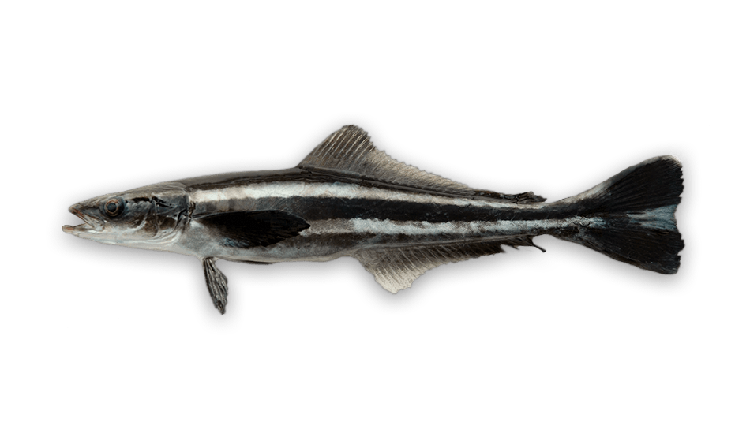
Rachycentron canadum
Crabeater, Sergeantfish, Ling, Cabio, Cubby yew, Lemonfish, Black kingfish, Black bonito
Cobia are long, slim fish with a broad, depressed heads. They are dark brown fading to a whitish belly with a single dorsal fin and two darker brown horizontal bands on the flanks. They have a dark lateral stripe extending from eye to tail and their lower jaw projects past the upper jaw. The stripes are more prominent during spawning, when they darken and the background colour flashes. The body of the fish is smooth with small scales. Young cobia have distinct colouring, with alternating black and white horizontal stripes and splotches of bronze, orange, and green. Cobia are often mistaken for sharks or remoras. In fact, their closest living relative is the remora (shark sucker).
Cobia are found in nearshore and inshore waters with inlets and bays. Cobia are frequently found around buoys, pilings and wrecks in these areas.
It is found in warm-temperate to tropical waters of the West and East Atlantic Ocean, throughout the Caribbean, and in the Indian Ocean off the coast of India, Australia, and the Pacific coast of Japan. The cobia has been reported in various locations of the eastern Mediterranean Sea, following either entry via the Suez Canal or escape from mariculture.
They are normally solitary, spawn in spring and early summer, migrate seasonally and feed on crabs, squid and small fishes. They follow larger animals such as sharks, turtles, and manta rays to scavenge. It is a very curious fish, showing little fear of boats. Along the Atlantic coast, they move south and offshore toward warmer waters during the late fall and winter. Cobia found in the northeastern Gulf of Mexico during the summer move to south Florida waters in the winter, possibly spending the winter near the Florida Keys.
It's got a naturally mild buttery taste that's unlike any other fish. This makes cobia great for dishes like sushi, tacos, and beer-battered fish. It has a flaky texture that stays moist and tender when you fry, saute, or bake it. May contain high mercury levels.
Cobia are willing to eat just about any live bait, just keep it near the surface or, if cobia are deeper, add just enough weight to get the bait down and still retain its movement. Cobia will also hit artificial lures, but they need to be presented well and look extremely realistic; use bucktail jigs, plastic eels and flies. Good baits: yellowtail or slimy mackerel, squid, live crabs & eels (work best), or fish strips.
Remora, E. naucrates (sucker disk present on top of head)