Southern flounder
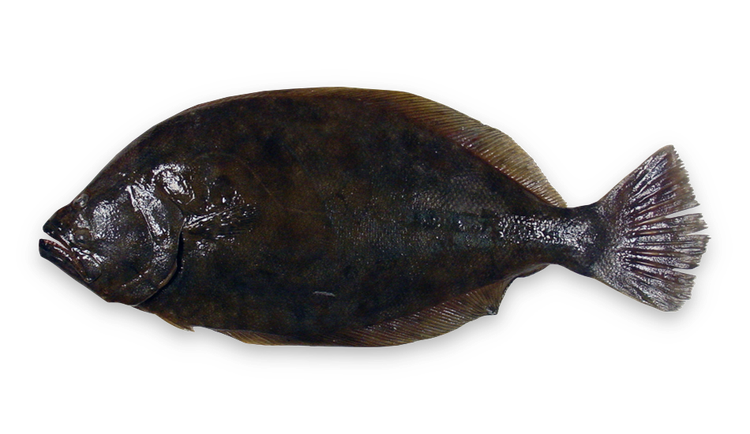
Paralichthys lethostigma
- Mixed
- Near threatened
Max length32.75 in
Common length19.75 in
Length typeTotal Length
Max weight20 lb 8 oz
Depth range4 - 142 ft
Max age8 years
Water typeMixed
Fish info
Short description
Southern flounders are flat, brown, oval fish known for having both eyes on the left side of their head. They either have an underdeveloped pectoral fin or none at all, and their fins don’t have any spines. Their caudal fin is separate. These fish can change color to blend in with their surroundings, helping them hide from predators and catch prey. They swim by using their bodies and caudal fin, a movement known as anguilliform swimming. Their eyes are located on one side, called the ocular side. Most Southern Flounders are 'left-handed' (both eyes on the left), but a rare few are 'right-handed.' A unique feature (amongst flounder species) of southern flounders is the many light and dark blotches and spots on their dark side.
Habitat
They are typically found in sandy, rocky, or muddy bottoms of shallow coastal waters, including marine areas, bays, estuaries and even rivers & lakes thanks to their ability to tolerate low salinity.
Distribution
Western Atlantic: Virginia to Texas in USA, northern Mexico, south to Trinidad and Tobago.
Behaviour
They feed both on the ocean floor and in the water column. They are considered top predators in their bottom-dwelling environment, camouflaging themselves under sand or mud. Adult flounders primarily eat fish, but they also consume crabs and shrimp. Juveniles mostly feed on small bottom-dwelling invertebrates. Young southern flounders stay in estuaries, but as they grow, they leave to spawn offshore during the fall and winter. Adults breed and spend the warmer months in coastal embayments and nearshore shelf waters.
Edibility
Flounder have a very mild flavour and flaky white flesh. They're a low-fat, low-calorie fish with a high protein, omega-3 fatty acid, vitamin, and mineral content.
Lure suggestion
The most effective methods are still fishing or drift fishing, as Southern Flounders tend to settle on the ocean floor. A single-hooked, slip lead, or free-line rig with weights between 1/4" and 3/8" works best. It's recommended to use light-to-medium fishing lines with reels that can hold 150 yards per 10 lbs. Anglers can also try fly fishing using medium-weight lines. Good bait: bull minnows, mullets, and shrimps.
Similar species
Other similar species
Japanese flounder