Shoal bass
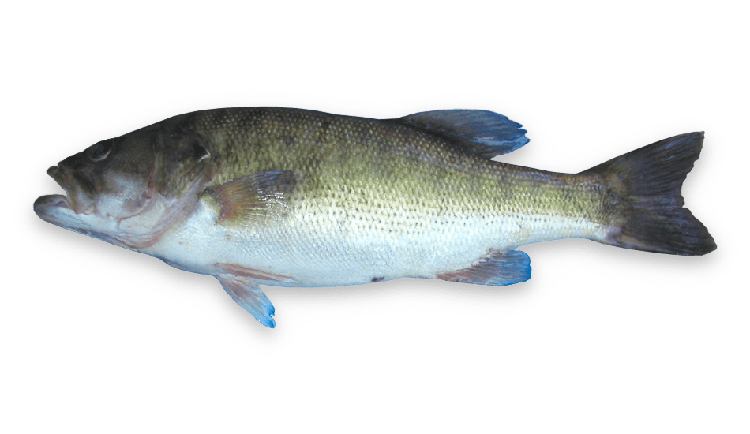
Micropterus cataractae
- Freshwater
- Near threatened
Max length24 in
Common length11.75 in
Length typeTotal Length
Max weight8 lb 13 oz
Max age10 years
Water typeFreshwater
Fish info
Short description
Shoal bass are generally olive green to nearly black along the back. A dusky dark blotch about 50 to 67 percent of the size of the eye occurs on the back edge of the gill cover. Three diagonal black lines radiate along the side of the head looking like war paint. Ten to fifteen vertical blotches appear along the sides with tiger-stripes often appearing in between. The belly is creamy or white and wavy lines may appear slightly above the white belly on the sides. The dorsal, caudal and anal fins are dark olive green to greyish black. Pelvic fins may have a cream-coloured leading edge with dark spots. The shoal bass has scales on the base portion of the soft-rayed dorsal fins, clearly connected first and second dorsal fins, and an upper jaw bone that does not extend beyond the eyes. The shoal bass is often confused with the redeye bass, due to its red-tinted eyes. It is also often confused with the smallmouth bass, due to its faint vertical stripes along the side of its body.
Habitat
Shoal bass are primarily found among river shoals (shallow, fast-moving riffles and runs containing limestone) but larger shoal bass can often be found in the deeper pools containing limestone formations above and below the shoals.
Distribution
Shoal bass are endemic to the Apalachicola River drainage in Alabama, Florida, and Georgia.
Behaviour
Shoal bass feed mainly on aquatic insects on the surface. They also feed on larval insects, crayfish and fish. Shoal bass spawn in coarse gravel at the heads of creek pools in April and May, to early June. They prefer a spawning temperature of 64 to 79 °F (18 to 26 °C). Like the largemouth, the male prepares the nest and guards the eggs and fry.
Edibility
Good eating quality. Shoal bass has white, flaky meat and tends to be drier than spotted bass or largemouth bass.
Lure suggestion
Fish near the "shoal" areas using medium action tackle with an 8 to 12-pound test line. Soft plastic crawfish imitation lures and grubs are good choices. Spinnerbaits, jerkbaits, and small crankbaits also work well. Spring and Fall are the best times to fish for shoal bass, but fishing can also be good throughout the summer months. Good bait: crayfish, fathead minnows, golden shiners, leeches.